Congratulations to Brittany and Mickey, the two winners of The Secrets of Gluten-Free Baking. Thanks to all you who entered in the giveaway!
Jillayne
Wednesday, December 18, 2013


Tuesday, December 10, 2013
Release Day Cookbook Giveaway!
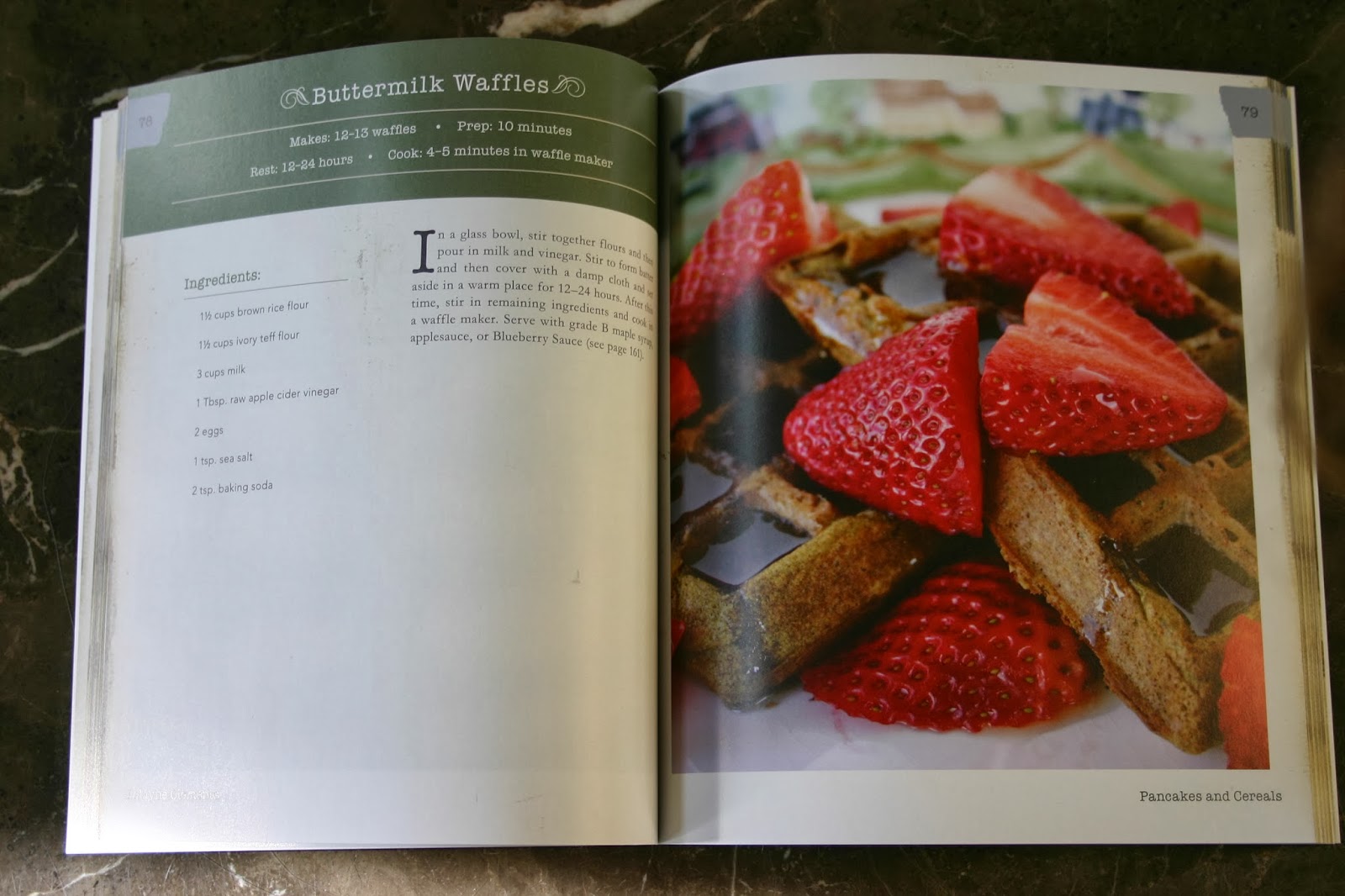
Today is the official release day of my new cookbook, The Secrets of Gluten-Free Baking! To celebrate, I will be giving away 2 free copies! I'm so excited about this new book because I feel that there are a lot of people besides myself who would like healthier options to gluten-free baking besides the refined starches and gums found in most gluten-free baking. The Secrets of Gluten-Free Baking shares what I have learned to use only whole food ingredients to make delicious gluten-free recipes. Recipe sections include yeast and non-yeast breads and wraps, pancakes and cereals, sweet breads and muffins, cookies, crackers, cakes and desserts, crusts and things, and a bonus recipe section which includes toppings, dips, sauces, etc. Here's a sneak peak at some of the pages inside.


 Whether for yourself or as a Christmas for a friend or loved one who is on a gluten-free diet, you may enter to win by following the instructions along the top of the page or by liking The Secrets of Gluten-Free Baking page on Facebook here. The contest ends December 18, 2013, after which two winners will be announced. Both will receive a free copy of The Secrets of Gluten-Free Baking.


Wednesday, November 6, 2013
Vegetable Ranch Dutch-Oven Pizza, Gluten-Free!
I had the privilege of making gluten-free pizza on Fresh Living. Click HERE to watch. :)

Here's the recipe for the pizza I made--Vegetable Ranch Dutch-Oven Pizza:
Dutch Oven Pizza Crust (From The Secrets of Gluten Free Baking by Jillayne Clements)
Makes: 1 medium pizza crust • Prep: 30 minutes
Rest: 12–24 hours • Bake: 20 minutes at 400ºF
Ingredients:
1 cup certified GF oat flour (I buy rolled oats and run them through my handy dandy NutriBullet.)
1½ cups sprouted rice flour (Sprouting rice is super easy and makes a sweeter and less gritty product. But you can just use super fine brown rice flour you have on hand.)
½ cup golden flax ground into meal
1½ cups water
½ Tbsp. yeast
2 Tbsp. warm water
1 Tbsp. dehydrated cane sugar
2 tsp. sea salt
Directions:
In a glass bowl, stir together flours, flax, and 1½
cups water. Cover with a damp cloth and set in
a warm place for 12–24 hours. After this time,
soften yeast in the warm water with the sugar. Stir
in salt and pour into dough. Mix until incorporated.
Use a little flour of choice for handling. To bake
in the Dutch oven, preheat in 400ºF oven. Pour
a little oil in the bottom of the Dutch oven, about 2
tablespoons, and spread around. On a well floured
pizza board, roll out pizza dough into a small circle.
Slide into bottom of Dutch oven and carefully press
dough to the sides of the pan. Replace lid and cook
for about 20 to 30 minutes at 400ºF. When done, top with
Pizza Sauce (below) and toppings and bake an
additional 15–20 minutes.

Here's the recipe for the pizza I made--Vegetable Ranch Dutch-Oven Pizza:
Dutch Oven Pizza Crust (From The Secrets of Gluten Free Baking by Jillayne Clements)
Makes: 1 medium pizza crust • Prep: 30 minutes
Rest: 12–24 hours • Bake: 20 minutes at 400ºF
Ingredients:
1 cup certified GF oat flour (I buy rolled oats and run them through my handy dandy NutriBullet.)
1½ cups sprouted rice flour (Sprouting rice is super easy and makes a sweeter and less gritty product. But you can just use super fine brown rice flour you have on hand.)
½ cup golden flax ground into meal
1½ cups water
½ Tbsp. yeast
2 Tbsp. warm water
1 Tbsp. dehydrated cane sugar
2 tsp. sea salt
Directions:
In a glass bowl, stir together flours, flax, and 1½
cups water. Cover with a damp cloth and set in
a warm place for 12–24 hours. After this time,
soften yeast in the warm water with the sugar. Stir
in salt and pour into dough. Mix until incorporated.
Use a little flour of choice for handling. To bake
in the Dutch oven, preheat in 400ºF oven. Pour
a little oil in the bottom of the Dutch oven, about 2
tablespoons, and spread around. On a well floured
pizza board, roll out pizza dough into a small circle.
Slide into bottom of Dutch oven and carefully press
dough to the sides of the pan. Replace lid and cook
for about 20 to 30 minutes at 400ºF. When done, top with
Pizza Sauce (below) and toppings and bake an
additional 15–20 minutes.
Ranch Sauce
Ingredients:
3/4 cup Vegenaise
(Vegenaise is a healthier alternative mayonnaise. I use the type made with grape seed oil.)
1/2 cup Greek yogurt, plain (Greek Gods is a good, thick brand)
1/2-3/4 tsp. sea salt
1/2 tsp. onion powder
1/4 tsp. garlic powder
1-2 Tbsps. dehydrated cane sugar
3 tsp. raw apple cider vinegar
1–2 tsp. water, milk, or whey (optional)
½ tsp. parsley
Directions:
In a bowl, stir together Vegenaise and yogurt
until creamy. Stir in remaining ingredients then spread desired amount over pre-baked pizza crust.
Top sauce with veggies such as sliced zucchini, fresh spinach, bell peppers, mushrooms, and olives sprinkle with a little cheese, and return to the oven for an additional 15-20 minutes.
Thursday, August 8, 2013
I'm So Excited!
I'm SO excited for my cookbook, The Secrets of Gluten Free Baking: Delicious Whole Food Recipes, to come out in December. I just received the pdf version of it, and my publishers did an amazing job with it. It's like a beautiful piece of artwork only it's a cookbook. I like that the recipes and directions and pictures of the final product are all on one page. I love the color on every page. Just beautiful! I'm looking forward to the day I can cook from it instead of searching for fifteen minutes through my recipe cards whenever I want to bake something. :)
Wednesday, May 1, 2013
Coming December 10, 2013
Announcing the official release of my new cookbook! The Secrets of Gluten-Free Baking: Delicious Whole Food Recipes
.jpg)


Won Tons and Tiny Spicy Chicken

Cheese Crackers

.jpg)
A little about the book: Excerpt from cookbook:
"When it comes to gluten-free baking, I have taken the gluten-free baking essentials, a.k.a. tapioca flour, potato starch, xanthan gum, and tossed them in the trash. Actually, I never owned them to begin with, so I’m not technically throwing them away. But I have learned to cook gluten-free around them, and in the process make delicious food that rises and doesn’t crumble to pieces like one would expect."
If you or someone you know is looking for a gluten-free cookbook with recipes that taste like wheat and also contain no added starches or gums, look at the photos below. Excerpt from cookbook
Artisan Bread

White Chocolate Chip Macadamia Nut Cookies

Won Tons and Tiny Spicy Chicken

Cheese Crackers

The Secrets of Gluten-Free Baking will be in stores December 10, 2013!
Thanks for stopping by. :)
Friday, September 21, 2012
Chocolate Zucchini Cake (Gluten-Free)
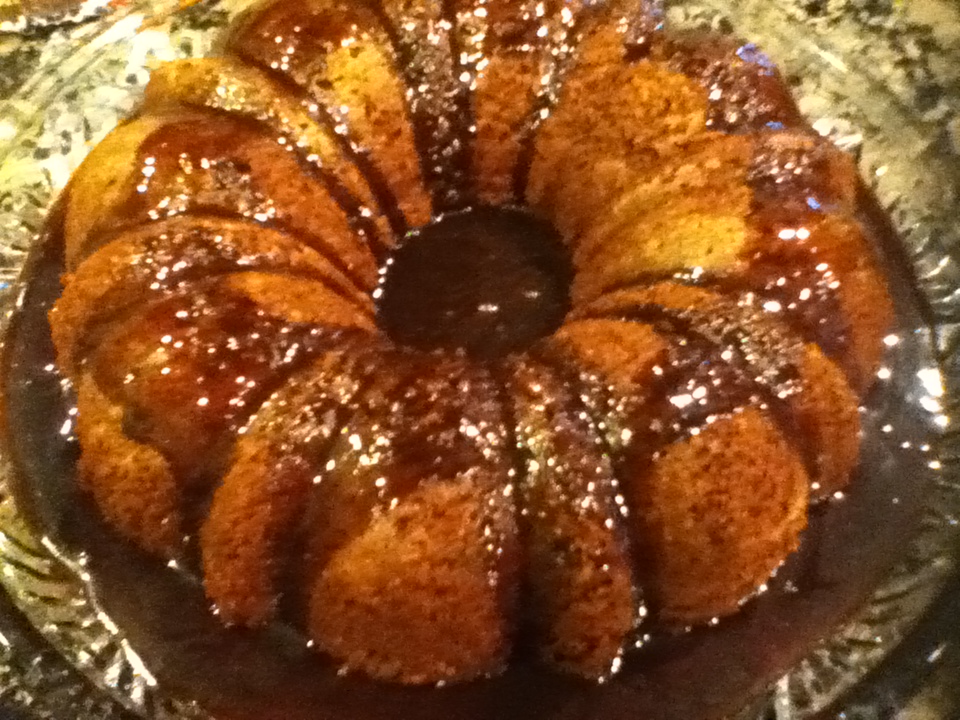
I mentioned before how I have 19 zucchini and counting. I made zucchini pickle relish out of them, but haven't actually tried it yet. Something I have tried is Chocolate Zucchini Cake which my family loves. It's based off a recipe I found in "Mormon Country Cooking" but I've substituted refined for whole ingredients and also made it gluten free.
It goes as thus:
3/4 cup butter
2 cups sucanat
3 eggs
2 1/2 cups Certified Gluten-Free rolled oats ground into flour*
1 tsp sea salt
2 tsp cinnamon
2 1/2 tsp baking powder (use a kind without aluminum, like Rumford)
1/2 tsp baking soda
1/3 cup cocoa
1/2 cup milk (I use almond milk)
2 tsp vanilla
2 cups shredded zucchini
* You can use sprouted wheat flour instead, if you're not doing gluten-free.
Butter and flour (w/remaining GF oat flour) a 10 inch tube pan. Blend well the butter, sucanat, eggs, and vanilla. Mix dry ingredients together, then add to butter/sucanat mix, alternating between milk and zucchini. Pour into tube pan and bake 1 hour at 350 degrees. Remove from pan onto a plate.
You can drizzle the top with a chocolate icing made with cocoa, powdered sucanat, butter, and enough milk to make it drizzly.
1/2 cup butter
2 cups powdered sucanat
2 Tbsp cocoa
4-6 Tbsp milk
Powder Sucanat in a blender. Whip butter in mixer, add sucanat (not on high speed or you'll have this sweet stuff all over your counters and you) and cocoa. Then mix in milk until desired wetness, enough to spread/drizzle over the top of cake when it has cooled a bit.
Thanks for stopping by!
Friday, September 14, 2012
I have nineteen zucchini and counting, so I'm making some things I had never heard about until this year; zucchini pie and zucchini pickle relish. If they turn out, I'll post some recipes. Also, I'll be teaching some classes at the Young Living Fall Festival on Saturday September 22, 2012. Hope to see you there. :)
Tuesday, September 6, 2011
Addiction and Food
There are many different things which can be addicting--such as food, sugar, drugs, alcohol, thrill seeking, computers, TV, validation from others, exercise, pornography, plastic surgery, eating disorders, and many many others. The common denominator is that they all fill--to a certain extent--an inner need.
What makes certain food addicting? Usually it's that it contains something you desire, for example, sweetness, and yet there is little to no nourishment behind the flavor. I believe that the human body was programed to expect certain nutrients from certain foods, and the modern day processing which removes those nutrients, creates in our bodies, the craving for more of that food to satisfy the nutrient intake it requires. This is one reason. The other is the chemicals released by the brain when certain foods are consumed. Chemicals which leave us with a feeling of satisfaction or happiness.
When eating whole foods, those micronutrients are available, so they provide fuel for and nourish the body, which is the real reason we eat. Plus, whole foods have a richer, more full taste than refined foods do.
It is my personal opinion that all human beings have a hunger within them that can only be filled by the nourishment of one source, and that source is pure love for self and connection with God.
Feasting on this source brings true nourishment, satisfaction, and a feeling of peace. These feelings release chemicals in the brain, which bring feelings of peace and happiness. Feeling gratitude, for example, releases serotonin, which provides a sense of well-being.
What happens with a lot of addictions? It usually begins as a craving for those feel-good chemicals our bodies make when we're properly nourished from the true source of peace. When that nourishment isn't being met, we begin to look for outside sources to fill an inner craving for things such as love or peace.
Overcoming addiction may require more than just a good connection and feasting on God's love, but I believe it's an essential part of the equation. It would be like trying to give up completely on a white sugar addiction by not eating any food at all. We'd likely starve and die. But if whole foods are introduced, and that base nourishment is being taken care of, the process of becoming addiction free becomes a little more bearable.
To me, it makes sense to focus on receiving nourishment from "the bread of life" or Christ. When we do so, we are left feeling true love for ourselves, true love for others, more patience, happiness, peace, gratitude, and all the other things which help us live in a state of well-being, even--and especially--when life has its ups and downs.
What makes certain food addicting? Usually it's that it contains something you desire, for example, sweetness, and yet there is little to no nourishment behind the flavor. I believe that the human body was programed to expect certain nutrients from certain foods, and the modern day processing which removes those nutrients, creates in our bodies, the craving for more of that food to satisfy the nutrient intake it requires. This is one reason. The other is the chemicals released by the brain when certain foods are consumed. Chemicals which leave us with a feeling of satisfaction or happiness.
When eating whole foods, those micronutrients are available, so they provide fuel for and nourish the body, which is the real reason we eat. Plus, whole foods have a richer, more full taste than refined foods do.
It is my personal opinion that all human beings have a hunger within them that can only be filled by the nourishment of one source, and that source is pure love for self and connection with God.
Feasting on this source brings true nourishment, satisfaction, and a feeling of peace. These feelings release chemicals in the brain, which bring feelings of peace and happiness. Feeling gratitude, for example, releases serotonin, which provides a sense of well-being.
What happens with a lot of addictions? It usually begins as a craving for those feel-good chemicals our bodies make when we're properly nourished from the true source of peace. When that nourishment isn't being met, we begin to look for outside sources to fill an inner craving for things such as love or peace.
Overcoming addiction may require more than just a good connection and feasting on God's love, but I believe it's an essential part of the equation. It would be like trying to give up completely on a white sugar addiction by not eating any food at all. We'd likely starve and die. But if whole foods are introduced, and that base nourishment is being taken care of, the process of becoming addiction free becomes a little more bearable.
To me, it makes sense to focus on receiving nourishment from "the bread of life" or Christ. When we do so, we are left feeling true love for ourselves, true love for others, more patience, happiness, peace, gratitude, and all the other things which help us live in a state of well-being, even--and especially--when life has its ups and downs.
Friday, February 11, 2011
Grape Nuts Cereal Recipe

Okay, the other day I had a craving for Grape Nuts, so I modified a couple recipes on the Net and came up with this yummy breakfast cereal. I call it Grape Chunks.
3 1/2 cups sprouted wheat flour
1 cup dehydrated cane juice (SuCanNat)
1/4 cup melted coconut oil
1/4 cup agave
1/4 cup molasses (If you don't like molasses, you can use 1/2 cup agave instead, or any combination to equal 1/2 cup liquid sweetener.)
2 cups buttermilk (or 1 cup plain yogurt mixed with 1 cup filtered water)
1 tsp sea salt
1 tsp baking soda
Mix dry ingredients and wet ingredients separately, then pour the wet into the dry and mix until smooth. Spread batter on a greased cookie sheet, or in two greased 9 x 13 pans. Bake for 25 minutes at 375 degrees. When done, remove from oven and allow to cool for about 10 minutes. Then comes the fun. Take this baked cake and break it up into a food processor, then process until it's tiny chunks. Next, pour the crumbs back onto the cookie sheet or 9 x 13 pans, and bake again at 210 for 45 minutes to an hour, or until brown. Cool and store in airtight container. This makes enough for 6 people, if two of those are growing teenagers.
Friday, February 4, 2011
Authorpalooza!
Join me, and forty + other authors, for Authorpalooza at the Sandy Barnes and Noble. I'll be signing copies of both my cookbook and novel, and I'll have some yummy Carob Mousse Cheesecake samples. It'll be lots of fun!
SOUTH TOWNE BARNES & NOBLE
10180 S. STATE STREET, SANDY, UTAH
SATURDAY, FEBRUARY 5, 2011
1:00 PM - 4:00 PM
SOUTH TOWNE BARNES & NOBLE
10180 S. STATE STREET, SANDY, UTAH
SATURDAY, FEBRUARY 5, 2011
1:00 PM - 4:00 PM
Thursday, May 27, 2010
My Story

Growing up, I heard the phrase, "You are what you eat." I never gave it much thought, though. I probably would have just avoided Dum Dums, Ding Dongs, and suckers, and stuck to Smarties and Angel Food cakes instead, all while hoping to meet a Big Hunk someday. (I did, by the way. I even married him.)
It wasn't until my health crashed in my early thirties that I realized how true the statement was. I had eaten a lot of junk, and that is exactly how I felt. I was tired and grouchy all the time, I had a lot of the symptoms of diabetes, and I had a yellow/orange hue to my skin that had me looking like a tanning lotion application gone wrong.
Eventually, I found that I had hypothyroidism, anemia, blood sugar stabilization problems, hormone imbalances, and gluten, starch, and other food intolerances. At first, I felt very sorry for myself and cried a lot. In fact, I thought I was pregnant because I cried so much, even at the end of Mulan when her dad said she had honored him by saving China. (Sorry to those of you who haven't seen the end and I just blew it.) But I wasn't pregnant, and there would be no joy of holding a new little one in my arms after months of pregnant-like symptoms.
Then I decided to take action. I was going to feel better even if it killed me, and I knew that improving my diet was the first place to start. I delved into understanding how people have eaten for generations on this planet, a time before food was refined and processed, a time where civilizations lived completely off the land, and a time before diseases like hypothyroidism, cancer, diabetes, heart disease, autoimmune disease, and obesity existed. I discovered that our ancient ancestors were remarkably healthy, living for years longer than we do now, and didn't have these diseases. What they ate and how they prepared it determined their health, and I could apply this knowledge to my own cooking.
So I started having fun making healthy, whole foods based on these principles and found that my body could easily digest and assimilate them, even gluten containing foods because I applied the lost preparation techniques. I wasn't surprised that my health improved, but I was surprised that cooking this way made the food taste so awesome.
I couldn't keep these secrets to myself, so I began sharing my creations. The next thing I knew, I was teaching classes about true nutrition, selling my desserts, making a tasty berry cream pie on live TV, catering, and writing and compiling this cookbook with the culinary talents of Michelle Stewart, whose own health story, beliefs, and cooking experiences are quite similar to mine.
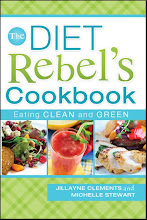
The Diet Rebel's Cookbook is made of more than 300 delicious recipes based on the forgotten food preparation techniques. Not only do the recipes taste wonderful, but they are easier to digest, help stabilize blood sugars, teach how to eat wheat when gluten intolerant, and how to properly use grains, beans, and nuts so you can increase nutrients and decrease gas. But most of all, you really are what you eat, and using this cookbook can make it wonderful.
To peek inside this book, click here.
Saturday, April 17, 2010
Sourdough Pancake Recipe

From Souring under Sprouting for Dummies and Smarties in The Diet Rebel's Cookbook Eating Clean and Green by Jillayne Clements and Michelle Stewart
"Another way to prepare grains without sprouting but still increase nutrients, digest gluten, and knock out phytic acid is to soak and sour. In this case, non-sprouted, freshly ground whole-wheat flour can be used by mixing and soaking it overnight with a little lemon, liquid whey, or raw apple cider vinegar and water.79 This is great for pancakes and a lot of other bread recipes, including our sourdough recipes. The cool thing about sourdough is that it doesn’t taste sour if you add a little baking soda to the batter. Plus you get the added bonus of conducting scientific experiments by adding soda (a base) to the acidic soured dough, and watching the two have a chemical reaction. This makes the bread or batter rise and fluff. Many of our recipes use the soured-plus-soda technique or use soda in place of yeast for yeast-free breads. When souring, just remember not to soak and sour already sprouted and dehydrated flour, because soaking and souring also digests gluten, and then you’ll digest so much gluten that you’ll end up flipping solitary crumbs on a griddle instead of pancakes."
Sourdough Pancakes
4 cups freshly ground whole wheat flour
4 cups filtered water or sour milk (raw)
1 tsp souring agent: lemon juice, raw apple cider vinegar, or whey with live cultures(Omit souring agent if using sour milk)
2 eggs
1 tsp sea salt
2 tsp baking soda
Directions:
Stir together in a glass bowl, the wheat flour and water, souring agent, or sour milk. Cover with a damp cloth and place on the counter for 12-24 hours. (24 hours is best, but any longer than 24 hours and it begins to turn to alcohol.) After 12-24 hours, the dough should have a sour smell and be bubbly. Beat eggs and mix into the sourdough, (if dough is too thick for preference, more water may be added,)then stir in sea salt and baking soda. Dough should fluff up. Pour onto a buttered griddle. Top with maple syrup (the kind that comes from an actual tree) or applesauce.
Note: whenever using a sourdough recipe, always start off with flour that hasn’t been sprouted first or the combined effect of sprouting and then souring, both of which digest gluten, will cause nothing but crumbs.
Thursday, April 8, 2010
The Diet Rebel's Cookbook: Back Cover Blurb, Contents, and Introduction

Back cover blurb:
"Jillayne Clements and Michelle Stewart bring new meaning to the phrase, "You are what you eat" in The Diet Rebel's Cookbook: Eating Clean and Green. Don't let processed, refined foods that have been stripped of their nutrients be the primary fuel for your life. Give your body what it naturally needs.
The Diet Rebel's Cookbook reveals the benefits of eating whole, natural foods as a regular part of your diet and includes traditional recipes and time-tested preparation tips that will help your body get the most out of what you eat. Learn how to use whole grains, natural sweeteners, fresh produce, and healthy meats on a daily basis, and you will impress your friends and family with recipes that are both delicious and healthy.
You can't truly become healthy by following trendy diets that come and go from year to year. Go back to the basics, and you will discover what eating is all about! This cookbook will soon have your family eating right, feeling good, and enjoying each and every bite!"
Contents of the Cookbook:
Foreword by Michael Cutler, MD
Introduction
Jillayne's Story
Michelle's Story
Convincing Reasons to Use this Book
Endorsements & Testimonials
Section 1: You Really Are What You Eat
Pottenger's Cats
Whole Food in a Nutshell
You Are What You Drink
Healthy Soil Makes Healthy People
Healthy Animals Make Healthy Food
Super Foods & Real Food "Supplements"
Why We're Not Vegans or Raw Foodists & What We Actually Are
Section 2: Treasured Traditions
Tips from the Garden of Eden
The Healthy & Happy Hunza
God's Recipe for Health
Traditional Food Preparation
Section 3: From Our Kitchens to Yours
Time Saving Tips
Becoming Ingredient Savvy
Our Favorite Kitchen Equipment
Our Least Favorite Kitchen Equipment: Microwaves
Food For Thought
Complete One-Year Food Storage List
Section 4: Treasured & Tasty Recipes
Recipes for Success
Sprouting for Dummies & Smarties (Sprouting Grains, Nuts & Seeds, Beans & Legumes)
Basic Dairy Recipes
Stocks & Broths Basics
Natural Sweeteners 101
Recipes for Taste
Drinks, Smoothies, & Popsicles
Breads (Traditional Basic Breads, Muffins & Sweet Breads)
Breakfast, Brunch, & Eggs
Salads & Dressings
Sandwiches & Wraps
Soups & Stocks
Vegetables & Side Dishes
Meatless Entrees
Meaty Main Dishes (Chicken, Turkey, & Fish, Beef & Lamb)
Spreads, Seasonings, & Snacks (Spreads, Sauces, Dips, & Marinades; Snacks & Crackers; Homemade Seasonings & Mixes)
Sweets & Treats (Frozen Desserts; Cookies & Bars; Pies; Cakes; Other Sweets; Frosting & Toppings)
Section 5: Last But Not Least
Weight & Measurement Equivalents
Recommended Products, Equipment, & Books
Notes
Recipe Index
About the Authors/Contact Us
Introduction
A growing number of people in this world suffer from illness in one way or another. We could go into great length describing these diseases one by one, but we won't. The list is far too long and depressing, and chances are you’re already well acquainted with the items on it. Maybe you or a loved one suffers from one of them.
We too have struggled with our own personal health challenges. But instead of becoming sour with the lemons of life, we made lemonade. It turned our really good too (since we used organic lemons; natural sweeteners; and pure, mineral-rich water to quench your thirst on a hot summer day), so we put it in the recipe section.
We started first by looking for nutritional truths because we felt there was an ideal diet for humans and that eating it would create health. It was harder to find truth than we thought. Everywhere we turned, we were confronted with conflicting information from low carb, low fat, low calorie, no grain, all raw, or vegan diets. Who was right? We felt first and foremost that what we would eat and drink should supply all needed nutrients to our bodies. Why else was food and drink created? But we also felt that food should be completely satisfying and taste good.
We devoted a lot of time to studying and pondering the correlation between diet and health. We did not gain this nutritional education from a formal institution where we could earn the right to display initials next to our names, because--in all honesty--what we discovered was not formally taught. Still, the education we received changed our lives. We developed a deeper understanding of nature’s nutritional guidelines and learned the forgotten food traditions of the world’s healthiest civilizations. What people have eaten and how they have prepared it has helped humans in many ages of time be free of diseases such as diabetes, autoimmune diseases, obesity, and many other problems. Their diets not only influenced their health--but to a large extent--determined it.
After applying these principles we learned to our own lives, we began feeling better, and our families got sick much less often. In fact, anything more than an occasional illness is virtually nonexistent in our homes. But what we didn’t expect was that applying these lost cooking techniques to our own meals would make them taste so wonderful. We love the way they smell, the way they make us feel--and most importantly--we love eating the meals we prepare this way because they’re so scrumptious!
We have compiled this recipe book in order to share the deliciousness of these priceless cooking techniques and to pass along what we have discovered about true nutrition. Plus, we thought it would be nice to have a recipe book on hand for every time we hear, “Ooh, this is so good. I have to get the recipe.”
The unique recipes in this cookbook are not only healthy, they actually taste better than most food available today. Compare your basic store-bought loaf and tub of margarine to the possibility of a hearty, steaming slice of sprouted, whole grain bread topped with a melting mound of freshly churned butter from pasture-fed cows. Or consider the pure pleasure of being able to enjoy ice cream made with fresh cream, real vanilla, and natural sugars that nourish the body and are gentler on blood sugar levels. When you eat fresh, wholesome food, prepared using the forgotten and tasty traditions of our ancient ancestors, your body and your taste buds will thank you. You really can have your cake and eat it too.
What are the forgotten and tasty traditions of our ancient ancestors? It’s no secret that a good diet was essential to their health and longevity. What did they eat, how did they prepare it, and how does this information affect the nutrition and flavor of the food we prepare today? How can applying this information help prevent disease and potentially reverse it?
We’d love to answer these questions right here in the introduction, but then it would be entirely too long, the whole organizational flow of the book would be hindered, and there would be no enticing incentive for you to read on. But rest assured, these questions will be answered in the remaining pages of this book.
So make a bowl of air-popped popcorn tossed with melted butter, coconut oil, and sea salt (the recipe for this is also in the recipe section), and sit back and discover why you can enjoy popcorn like this without feeling guilty.
Jillayne Clements
Michelle Stewart
Special Note: There are many sick or diseased people who have been healed by eating a certain way. We make no claim that preparing food in a traditional manner as outlined in this book will guarantee healing. We also understand that everyone is different, and that every body reacts differently to certain foods. The ideas in this book have worked well for our bodies, but modifications may be made to suite what works best for you.
The information in this book is not intended to diagnose, treat, or cure illness or disease and is not intended to be used as a replacement for proper medical attention. Consult your health care professional before changing your diet.
Warning: Although the sprouting process decreases the amount of gluten in grains, sprouted grain products still do contain gluten. Special care must be taken if you are celiac or gluten intolerant. Please consult your health care professional before trying any gluten containing recipes.
Tuesday, April 6, 2010
Raisin Cinnamon Bread Recipe

Raisin-Cinnamon Bread
(From The Diet Rebel's Cookbook)
Makes: 1 loaf / Prep time: 20 minutes / Raise time: 20 minutes / Bake time: 30 minutes
6 cups fresh sprouted spelt, kamut, or white wheat
½ teaspoon sea salt
1 ½ teaspoon baking soda
2 teaspoons cinnamon
½ cup “Roasted” almonds
¾ cup raisins
Blend fresh sprouts in food processor until they form a ball of dough. Add sea salt, soda, and cinnamon, and blend well. Pour in almonds while processor is still moving, to chop them. Mix raisins in by hand, or mix briefly with the processor. Shape dough into a loaf, and place on buttered cookie sheet, or put in buttered bread pan. Let rise for 20 minutes (optional) and then bake for 30 minutes at 350.
Carob or Chocolate Mousse Cheesecake Recipe

Carob or Chocolate Mousse Cheesecake
(From The Diet Rebel's Cookbook)
Makes: 1- 9" pie / Prep time: 45 minutes / Bake (crust): 15 minutes
Crust:
1/3 cup melted butter or coconut oil
1/3 cup carob powder or cocoa powder for Chocolate Mousse Cheesecake
1/3 cup dehydrated cane juice
2/3 cup sprouted wheat flour
Melt butter or oil in a large saucepan. Remove from heat and stir in carob or cocoa powder and sugar. Stir in flour and mix well until mixture becomes dark and crumbly. Press into a 9-inch pie pan and bake for 13-15 minutes at 350 degrees. When done, remove from heat and cool completely. In the mean time, prepare whipped cream topping to use as part of the filling.
Topping:
2 cups whipping cream
¼ cup liquid sweetener
½ teaspoon pure vanilla extract
shavings from organic dark chocolate bar to sprinkle on top of whipped cream
Whip the cream until thick. Stir in agave and vanilla. Use 1½ cups for the filling and save the rest for the top. Spread a layer of whipped cream along top of cheesecake. Fill a cake-decorating bag with remaining whipped cream and make designs around the outside edges of cheesecake. With a knife, shave a portion of chocolate bar for decorative sprinkles on top. Keep refrigerated.
Filling:
12 ounces cream cheese
2/3 cup dehydrated cane juice
2/3 cup carob or cocoa powder
1 teaspoon pure vanilla extract
1 ½ cups fluffy, already whipped cream
Blend cream cheese in mixer until smooth, then add the cane juice. Mix well. Add carob or cocoa powder a little at a time and blend well. Mix in vanilla and then fold in the whipped cream. Blend well and spread evenly into the cooled piecrust.
Note: The unique combination of roasted carob powder mixed with dehydrated cane juice creates a slight mocha flavor.
Berry Cherry Smoothie Recipe

Berry Cherry Smoothie
Makes: approx. 4 1/2 - 5 cups
3/4 cup frozen organic cherries
3/4 cup frozen organic blueberries or other berries of choice
2-3 cups fresh milk (from certified healthy, pasture-fed animals)
1/4 cup agave or grade B maple syrup
1/3 cup plain yogurt (with live, active cultures)
1/2 tsp pure vanilla
Place all ingredients in a blender and blend until smooth.
Fruit and Almond Cluster Granola Recipe

Fruit and Almond Cluster Granola
Makes: approx. 10 cups / Prep time: 35 minutes / Dehydration time: 12 hours
5 1/2 cups almond flour (dehydrated pulp leftover from almond milk, run briefly through a food processor to make it like course flour)
1 cup maple syrup
2 apples, sliced thin
2 pears, sliced thin
3 bananas, thinly sliced
2 mangos, peeled and thinly sliced
½ -1 pineapple, sliced thin
½ cup raisins
½ cup dried cranberries
½ cup raw sunflower seeds
½ cup raw pumpkin seeds
¼ cup raw flax seed
2 cups graham crackers, crumbled (optional, see recipe)
Slice all fruit thin then lay out on dehydrator trays. Dehydrate for 12-14 hours at 115.
To make almond clusters, stir together the almond flour with the maple syrup until it is just damp and sticks together. It should be fairly dry. Place on a food dehydrator solid sheet and dehydrate for about 12-14 hours at 115 degrees. When done, crumble into a bowl and add dehydrated fruit and seeds. Serve with raw milk and fresh fruit.
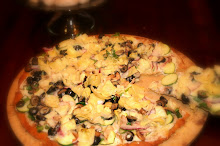
Vegetable Alfredo Pizza Recipe

Vegetable Alfredo Pizza (From The Diet Rebel's Cookbook)
Makes 1 large pizza / Prep time: 50 minutes / Bake time: 14 minutes
Sourdough Crust:
2 ½ cups freshly ground, non-sprouted spelt/kamut flour
¾ cup water, enough to make a stiff ball of dough
1½ teaspoons apple cider vinegar, whey, or fresh squeezed lemon juice
½ teaspoon sea salt
1 teaspoon baking soda
1 tablespoon olive oil
cornmeal for sprinkling on pizza pan
Sauce:
4 tablespoons butter, melted
4 ounces cream cheese
2 tablespoons milk
2 cloves garlic, minced
2 teaspoons parsley
Toppings:
1 14 ounce can artichoke hearts, drained and chopped
5-6 medium mushrooms, sliced
1/3 red onion, quartered and sliced thin
1 cup fresh spinach, washed and torn
1 medium zucchini, sliced thin like pepperoni
1-2 tomatoes, chopped
1 bell pepper, chopped (optional)
1 cup sliced olives
1½ -2 cups raw cheese
For the crust, stir together water and vinegar, whey, or lemon juice. Mix with flour in a glass bowl until it forms a very stiff ball of dough that just picks up all the flour. Cover bowl with a damp cloth and leave in a warm place for 12-24 hours. The dough should have bubbles and be about doubled in size after this time. Add remaining ingredients and kneed them into the dough for about 5 minutes. Roll onto an oiled surface, and transfer to pizza pan dusted with cornmeal, stretching the dough as you go to reach the edges of the pan. Bake for 8 minutes at 425 before adding toppings.
For the sauce, melt butter and cream cheese in a pan. Mix well. Add milk, garlic, and parsley, and stir with a fork. Spread onto pre-baked pizza crust, then top with prepared vegetables. Bake for 13 minutes at 425, remove from oven and sprinkle cheese over top. Stick back into the oven for a minute or two to allow cheese to melt.
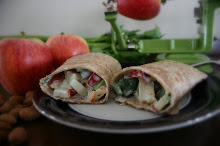
Apple Almond Wrap
Almond-Apple Wrap
Serves: 6 / Prep time: 20 minutes
2 apples, diced
4 stalks celery and leaves, finely diced
1 can olives, drained and chopped- optional
1 green bell pepper, seeded and diced
½ cup soaked almonds, chopped
½ cup fresh spinach, finely shredded
¼ of a medium red onion, diced
1/3 cup mayonnaise (I use Vegenaise made with grape seed oil)
¼ teaspoon sea salt
sprouted wheat bread or sprouted wheat tortillas
In a bowl, mix remaining ingredients. Add Vegenaise and mix well. Spoon into tortilla shells.
Serves: 6 / Prep time: 20 minutes
2 apples, diced
4 stalks celery and leaves, finely diced
1 can olives, drained and chopped- optional
1 green bell pepper, seeded and diced
½ cup soaked almonds, chopped
½ cup fresh spinach, finely shredded
¼ of a medium red onion, diced
1/3 cup mayonnaise (I use Vegenaise made with grape seed oil)
¼ teaspoon sea salt
sprouted wheat bread or sprouted wheat tortillas
In a bowl, mix remaining ingredients. Add Vegenaise and mix well. Spoon into tortilla shells.
Caramel Apple Crisp Recipe
Caramel Apple Crisp -
Prep time: 20 minutes /Bake time: 40 minutes at 350 /Makes: 9x13 pan
Ingredients:
•7-8 medium apples cored and sliced (keep skins on if you can, Fugi and Gala work well for this.)
•1/4 cup agave (a liquid, low glycemic, natural sweetener available in most health food stores)
•1/2 tsp cinnamon
•2 Tbsp sprouted wheat flour
Directions:
Place sliced apples in a bowl. Stir in agave, cinnamon, and sprouted flour. Pour into the bottom of a 9x13 pan. Set aside.
Crust:
Ingredients:
•1 cup sprouted wheat flour (sprouting wheat partially digests gluten and starch, increases nutrients and digestibility, and creates a lighter texture*.)
•1 cup chopped almonds (soaked and dehydrated almonds taste best**.)
•1/2 teaspoon cinnamon
•1/2 cup dehydrated cane juice (natural sweetener containing micro-nutrients with a slight molasses flavor. Brand names include Rapadura and SuCaNat.)
•1/2 cup butter (melted)
Directions:
In a bowl, stir together sprouted flour, chopped almonds, cinnamon, and cane juice. Pour in melted butter and mix until crumbly. Sprinkle over the top of apples and bake for 40 minutes at 350 degrees. While cooking, prepare caramel and whipped cream.
Caramel Topping:
Ingredients:
•1/4 cup butter
•1/4 cup pure maple syrup (natural maple syrup with micro-nutrients)
•1/4 cup agave
•1/2 cup dehydrated cane juice
Directions:
Pour ingredients into a sauce pan and turn to medium low heat. Stir occasionally until dehydrated cane juice has completely dissolved. Bring to a boil then remove from heat. Drizzle 1/2 - 3/4 cup over apple crisp when it is done baking.
Whipped Cream:
Ingredients:
•2 cups heavy whipping cream
•1/4 cup agave or pure maple syrup
•1/2 teaspoon vanilla
Directions:
Whip cream until soft peaks form. Mix in agave and vanilla. Serve over top of apple crisp.
** Soaking almonds neutralizes enzyme inhibitors and increases nutrients, nutrient availability, and digestion. Soak 2 cups almonds in filtered water with 1/4 teaspoon of sea salt for 8-12 hours. Rinse and dehydrate for 24 hours at 145 degrees. Soaking expands the almonds and dehydrating them leaves them crisp and hollow so they pop in your mouth.
All natural sweeteners may be purchased at most health food stores.
See how to make this recipe on YouTube.
Prep time: 20 minutes /Bake time: 40 minutes at 350 /Makes: 9x13 pan
Ingredients:
•7-8 medium apples cored and sliced (keep skins on if you can, Fugi and Gala work well for this.)
•1/4 cup agave (a liquid, low glycemic, natural sweetener available in most health food stores)
•1/2 tsp cinnamon
•2 Tbsp sprouted wheat flour
Directions:
Place sliced apples in a bowl. Stir in agave, cinnamon, and sprouted flour. Pour into the bottom of a 9x13 pan. Set aside.
Crust:
Ingredients:
•1 cup sprouted wheat flour (sprouting wheat partially digests gluten and starch, increases nutrients and digestibility, and creates a lighter texture*.)
•1 cup chopped almonds (soaked and dehydrated almonds taste best**.)
•1/2 teaspoon cinnamon
•1/2 cup dehydrated cane juice (natural sweetener containing micro-nutrients with a slight molasses flavor. Brand names include Rapadura and SuCaNat.)
•1/2 cup butter (melted)
Directions:
In a bowl, stir together sprouted flour, chopped almonds, cinnamon, and cane juice. Pour in melted butter and mix until crumbly. Sprinkle over the top of apples and bake for 40 minutes at 350 degrees. While cooking, prepare caramel and whipped cream.
Caramel Topping:
Ingredients:
•1/4 cup butter
•1/4 cup pure maple syrup (natural maple syrup with micro-nutrients)
•1/4 cup agave
•1/2 cup dehydrated cane juice
Directions:
Pour ingredients into a sauce pan and turn to medium low heat. Stir occasionally until dehydrated cane juice has completely dissolved. Bring to a boil then remove from heat. Drizzle 1/2 - 3/4 cup over apple crisp when it is done baking.
Whipped Cream:
Ingredients:
•2 cups heavy whipping cream
•1/4 cup agave or pure maple syrup
•1/2 teaspoon vanilla
Directions:
Whip cream until soft peaks form. Mix in agave and vanilla. Serve over top of apple crisp.
** Soaking almonds neutralizes enzyme inhibitors and increases nutrients, nutrient availability, and digestion. Soak 2 cups almonds in filtered water with 1/4 teaspoon of sea salt for 8-12 hours. Rinse and dehydrate for 24 hours at 145 degrees. Soaking expands the almonds and dehydrating them leaves them crisp and hollow so they pop in your mouth.
All natural sweeteners may be purchased at most health food stores.
See how to make this recipe on YouTube.
Subscribe to:
Posts (Atom)